Appliances, Equipment and Utensils
2. Types of kitchen equipment
2.1. Kitchen Tools
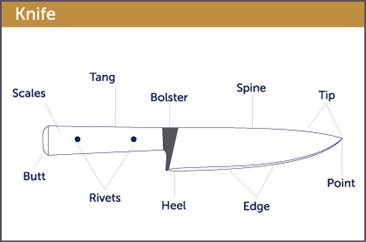
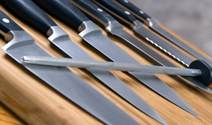
1. Knives and sharp tools: Knives and other cutting tools play an important role in a kitchen. These instruments – consisting of 1 or more, sharp, metal blades and a handle - are used to cut, chop, slice, dice, mince, carve, nip, cleave or strip fruit, vegetables and meat. For safety reasons, it is important to keep the blades of knives and other cutting devices as sharp as possible.
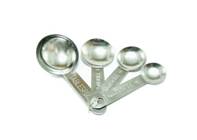
2. Measuring utensils: Measuring tools help to ensure that the correct amount of ingredients are used in cooking so that results are consistent. Measurement is usually noted in weight or volume, and can be carried out using a number of devices that come in a variety of shapes and sizes.
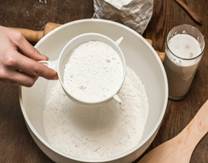
3. Storing and separating tools: Bowls and containers help to hold ingredients during the preparation process, or to keep food fresh for extended periods of time; while other tools can be used to separate liquids from solids, or refine dry ingredients like flour.
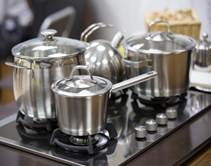
4. Cooking utensils: Cooking utensils cover all those heat-resistant containers that are used to cook food in the oven or on top of the stove. Pots and pans that are used on the stove top are forms of cookware, while any vessel used in the oven (e.g. casserole dish, muffin tray, etc) fall into the category of bake-ware.
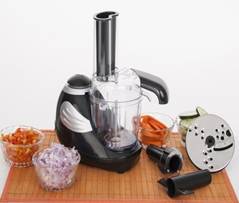
5. Food processing: A number of appliances and tools have been designed to transform food from one state into another.
Appliances are used to chop, mix or liquidize food – processes that would usually take a significant amount of time if carried out by hand.
Many of the most useful tools that can be found in a kitchen fall into the category of hand-held utensils. These tools are mostly used in the preparation of food, while some are used in the actual cooking process.