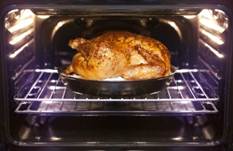
Cooking Methods
3. Types of Cooking
3.2. Dry Heat Cooking
1. Baking: cooking food in dry heat without being exposed to a direct heat source, normally using an oven.
Considerations:
- ensure the oven is pre-heated to the right temperature
- avoid opening the oven once cooking has started
- place the food at an appropriate level in the oven (i.e. not too near the bottom or the top)
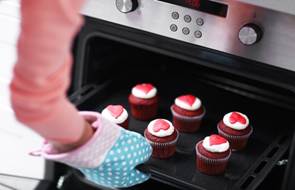
2. Dry Frying: cooking food in a pot or pan without any oil - plant, animal or synthetic fat - as a base.
Considerations:
- avoid burning the food by keeping the heat at the right temperature
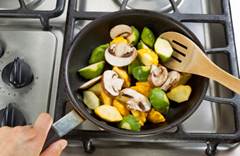
3. Shallow Frying: frying food in shallow oil in a flat bottomed pan and flipping the food item from time to time to cook both sides. Filleted fish are commonly pan or shallow fried.
Considerations:
- use a solid pan with a wide base so as to prevent it from falling over
- warm the oil before putting any food in it
- prevent oil from burning and smoking out the kitchen by ensuring that the temperature is not too high
- avoid adding liquid to hot oil as it will spit and spray and could potentially burn someone
- never leave hot oil unattended
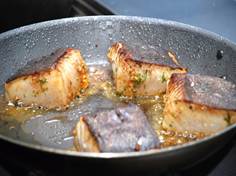
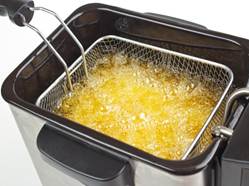
4. Deep Frying: submerging and frying food in very hot oil; normally within a deep fat fryer appliance.
Considerations:
- ensure that the oil is boiling before putting food in it (between 160 and 190°C)
- never leave hot oil unattended
- in the event of a fire catching, smother it with a lid, blanket, sand or fire extinguisher (never use water!)
- use a paper towel to get rid of any excess oil after removing the food from the oil
- let the oil cool completely before discarding
5. Grilling: cooking food using a grill. Food items are cooked using a grill, with heat coming from above or below.
Considerations:
- pre-heat the grill before placing food under it
- make sure that the food is not too greasy as excess fat may lead to fires starting
- ensure the food is an appropriate distance from the grill (too close and it will burn, too far and it won’t cook)
- always use heat-resistant, metal cookware (glass, plastic and other materials are not suited to withstand such high temperatures)
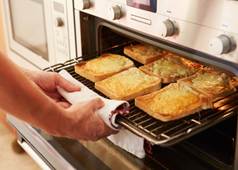
6. Roasting: a cooking process that uses dry heat to cook food, most commonly in an oven. Some foods, which are not naturally oily, require fat or oil to lock in moisture.
Considerations:
- ensure the oven is pre-heated to the right temperature
- avoid opening the oven once cooking has started
- place the food at an appropriate level in the oven (i.e. not too near the bottom or the top)