Appliances, Equipment and Utensils
| Site: | DBECloud |
| Course: | Grade 10 e-Hospitality Studies |
| Book: | Appliances, Equipment and Utensils |
| Printed by: | Guest user |
| Date: | Thursday, 22 October 2026, 11:41 AM |
Description
1. Introduction
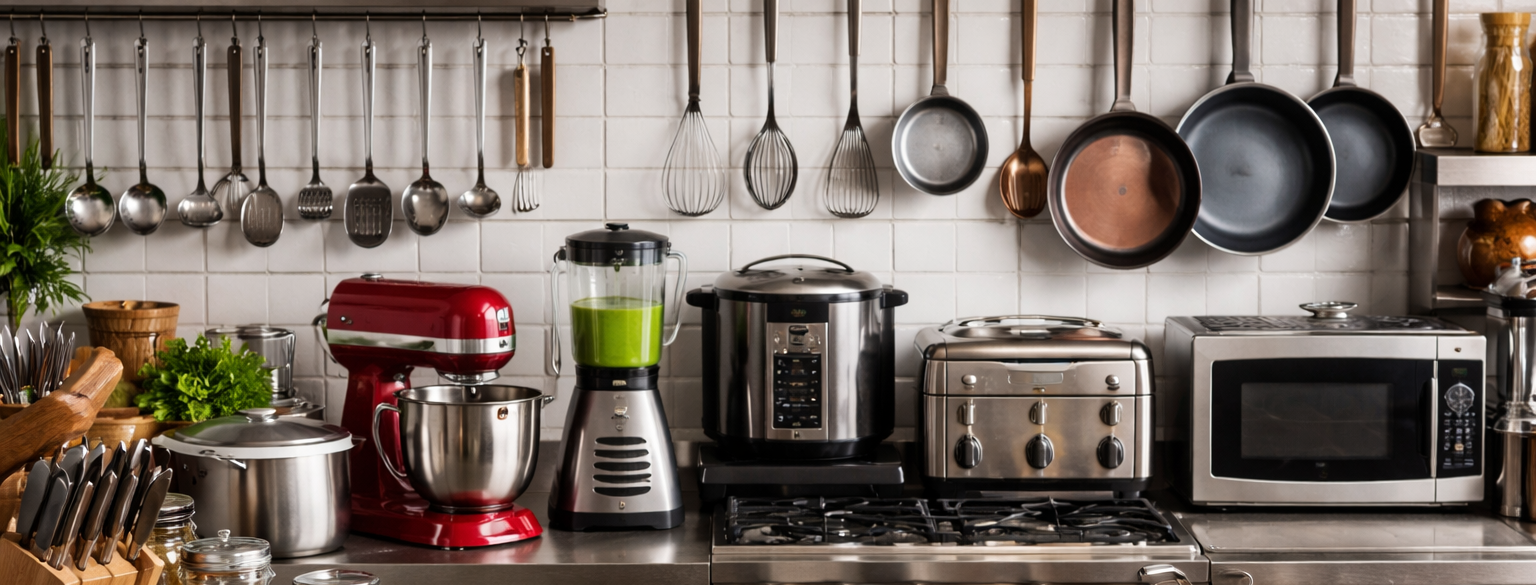
Kitchens play home to many different tools, each serving a particular function when it comes to the preparing, cooking and storing of food. Other tools are needed to keep kitchen appliances, equipment and utensils clean.
Kitchen Equipment Rules
- - know how to identify each piece of equipment and its use
- - clean every utensil, tool and appliance immediately after use
- - pack all tools and equipment safely away when not in use
- - follow the manufacturer’s instructions for installing, operating and cleaning appliances
- - make regular checks to see that all kitchen equipment is in good working order
- - always disconnect appliances from their source of energy when not in use or while being cleaned
- - contact a registered technician to report industrial equipment faults
2. Types of kitchen equipment
Kitchen equipment plays an essential role in food preparation and kitchen efficiency. In this course, kitchen equipment is introduced by category to help learners clearly understand its purpose and proper use. The main types include preparation equipment (used for cutting, mixing, and measuring), cooking equipment (used for heating and cooking food), storage equipment (used to preserve ingredients and finished products), and cleaning equipment (used to maintain hygiene and safety). Learning about these categories provides a foundation for safe, organized, and effective kitchen work.
2.1. Kitchen Tools
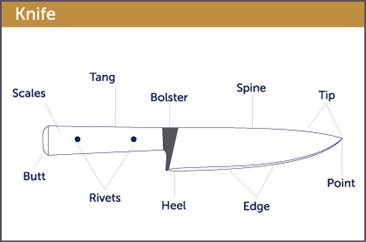
1. Knives and sharp tools: Knives and other cutting tools play an important role in a kitchen. These instruments – consisting of 1 or more, sharp, metal blades and a handle - are used to cut, chop, slice, dice, mince, carve, nip, cleave or strip fruit, vegetables and meat. For safety reasons, it is important to keep the blades of knives and other cutting devices as sharp as possible.
2. Measuring utensils: Measuring tools help to ensure that the correct amount of ingredients are used in cooking so that results are consistent. Measurement is usually noted in weight or volume, and can be carried out using a number of devices that come in a variety of shapes and sizes.
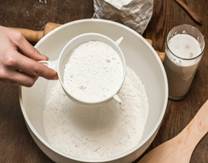
3. Storing and separating tools: Bowls and containers help to hold ingredients during the preparation process, or to keep food fresh for extended periods of time; while other tools can be used to separate liquids from solids, or refine dry ingredients like flour.
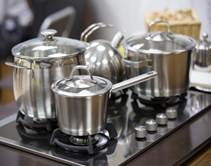
4. Cooking utensils: Cooking utensils cover all those heat-resistant containers that are used to cook food in the oven or on top of the stove. Pots and pans that are used on the stove top are forms of cookware, while any vessel used in the oven (e.g. casserole dish, muffin tray, etc) fall into the category of bake-ware.
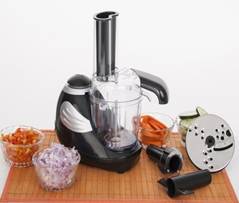
5. Food processing: A number of appliances and tools have been designed to transform food from one state into another.
Appliances are used to chop, mix or liquidize food – processes that would usually take a significant amount of time if carried out by hand.
Many of the most useful tools that can be found in a kitchen fall into the category of hand-held utensils. These tools are mostly used in the preparation of food, while some are used in the actual cooking process.
2.2. Cooking and Cooling Appliances
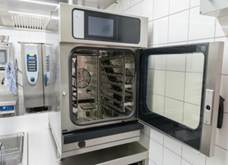
1. Ovens: An oven is a thermally insulated container that is used to cook food. It is one of the most important appliances in the kitchen. Ovens come in many different shapes and forms, and make use of different types of energy sources to generate heat – from electricity to gas, fire to radiation.
2. Stove-tops: Many ovens come fitted with stove-tops. Electrical stove-tops can be made from metal, ceramic or glass and are usually flat and solid, but sometimes in the shape of a coil. Gas versions have burners on the stove top, and make temperature control easier by being able to view and adjust the strength of the open flame.
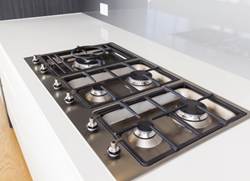
3. Fryers: Fryers are devices that are used to cook food by immersing it in hot oil.
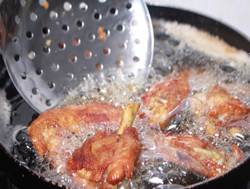
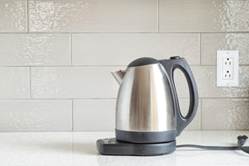
4. Boilers and brewers: Boilers are appliances that have been specifically designed to heat liquid (usually water) or bring it to the boil by means of a furnace. Brewers relate specifically to making coffee, where hot water is infused with ground coffee beans. Brewers can also be used to describe appliances that are used in making tea and beer.
5. Automated cookers: Automated cookers are those appliances which have been designed to cook food (in various methods) using a heat source, a container and a thermostat which (which usually runs on a timer).
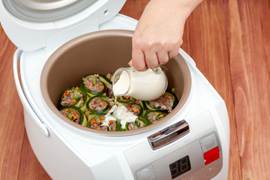
6. Hot surface cookers: A wide range of appliances can be used to cook food by applying dry heat directly to the food surface. Hot surfaces are usually made out of stainless steel, ceramic or glass and allow food to sit on top, beneath or sandwiched in between until cooked.
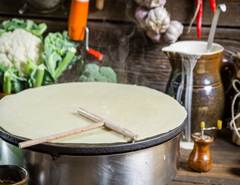
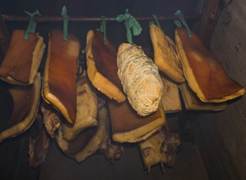
7. Smokers & steamers: Smokers are appliances used to cook and enhance flavors by exposing food to smoke. Different types of wood are burned to infuse the food (usually meat or fish) with interesting aromas that can alter the taste of the food. Steamers, on the other hand, circulate hot steam around the cooking compartment in order to cook food.
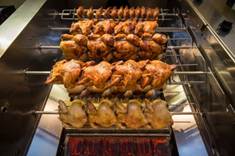
8. Roasters & toasters: Roasters are various types of appliances that are used to rotate food and expose it to dry, hot air – usually from an open flame - so that it cooks evenly throughout. Toasters are electrical appliances that expose food – like bread and other baked goods - to radiant heat, browning and crisping the surface of the food in the process.
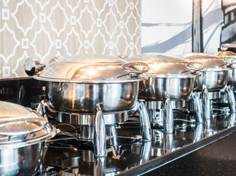
9. Heating: Some appliances are not necessarily intended to cook food, but to rather keep food warm before serving. Usually, food should only be heated once after it has been cooked so as to reduce the chances of it spoiling and causing food poisoning.
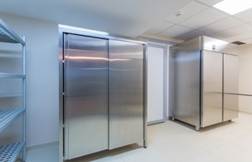
10. Cold storage: Most kitchens are fitted with appliances that serve to keep food cool or frozen. Cold storage helps to prevent food contamination by preserving fresh food for extended periods of time.
2.3. Cleaning Equipment
1. Cleaning agents: A number of substances – ranging from sprays to gels, powders to liquids – have been developed to assist in the process of cleaning. Different cleaning agents serve different purposes, and can be used to help wipe, scrub, dust, polish or wash. Some agents are also used to reduce bad odors from the air or stubborn stains in fabrics.

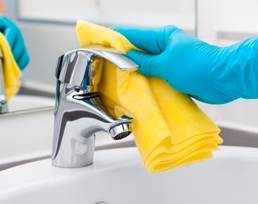
2. Cleaning materials: Different materials have been developed for their convenience and practicality in terms of achieving a certain level of cleanliness. Rags and cloths, along with sponges and scrubs, act as an extension of the hand when it comes to cleaning kitchen equipment.
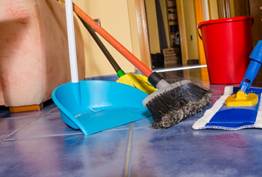
3. Cleaning tools: Beyond the need to clean kitchen utensils and appliances, is the need to also keep kitchen surfaces clean. Hardy equipment can be used to clean floors and waste disposal areas to ensure an acceptable level of hygiene is maintained in and around the kitchen.
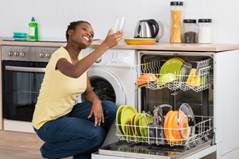
4. Cleaning appliances: A number of appliances are available to help with ongoing chores such as dishwashing and vacuuming. Using machines to assist in this process saves time and ensures a more reliable result.
3. Glossary
|
Butcher's Knife |
a broad-bladed knife for chopping carcasses |
|
|
Chef's Knife |
a large and all-purpose knife used for cutting, slicing, cubing, dicing, mincing and chopping |
|
|
Paring knife |
a small and all-purpose knife used for more intricate purposes such as trimming, garnishing or coring |
|
|
|
a knife that has notches on the blade edge, used for cutting food that has a tough exterior while being soft inside |
|
|
Carving knife |
a large and relatively narrow bladed knife used to slice thin pieces of meat from a bone |
|
|
Bread knife |
a large serrated knife used to slice bread |
|
|
|
a device that keeps knives, kitchen scissors and other blades found in the kitchen sharp and safe to use |
|
|
Skewer or Kebab Stick |
a long and thin stick made from wood or metal, with a sharp end that is used to pierce pieces of fruit or meat |
|
|
Tined Fork |
a large fork (with 2 or 3 "tines") used to skewer large pieces of hot meat in order to make it easier to cut |
|
|
Kitchen Shears |
scissors used for cutting and snipping herbs and tougher types of foods |
|
|
Tin Opener |
a metal device used to slice open the top of tin cans with 2 blades and a rotating handle |
|
|
Cheese Slicer |
a bladed tool used to cut slices of hard cheeses consistently |
|
|
|
a utensil with wire strings hinged to a base and used to make even slices of eggs and fruit |
|
|
Pizza Cutter |
a wheel shaped tool that can be used to cut pizza and other types of dough |
|
|
|
a large metal pan with low sides and no handles, used to roast vegetables or bake big batches of cookies |
|
|
Cake Pan |
a metal pan with tall edges, used to bake cakes and desserts in a variety of sizes (rectangular, square or round) |
|
|
|
plastic or metal utensils used to cut a variety of shapes and sizes out of dough |
|
|
Cookie Sheets |
flat metal pans used in baking |
|
|
Cooling Rack |
a metal grid that prevents food from going soggy - cool air can flow freely around the food which is placed on it |
|
|
Jelly Roll Pan |
a small baking tray with very low sides used for baking small batches of biscuits, toasting nuts and seeds |
|
|
|
a rectangular cake pan used to bake bread and loaf cakes |
|
|
Muffin or Cup-Cake Tray |
a metal pan with multiple partitions used to bake a number of smaller items in an even manner |
|
|
Pie plate, quiche and ring pans |
a short sided bowl with a flat base used to bake or serve pastry dishes |
|
|
|
similar to a cake pan but can separate the sides from the base in order to easily remove the cake or dessert inside |
|
|
Casserole Dish |
a large dish (and lid) made from glass or ceramic used for cooking and serving hearty oven dishes |
|
|
|
a shallow metal or ceramic based |
|
|
Pot |
a large metal container with two handles, used to cook a variety of foods on the stove-top or in the oven |
|
|
|
a basic pan with one handle used to cook a variety of foods on the stove-top |
|
|
Sauté Pan |
a pan with a relatively large flat base and straight sides to prevent spilling when used to cook vegetables in butter or oil |
|
|
|
a metal pot with a wider brim than base used for frying and steaming food on the stove-top |
|
|
Double Boiler |
a set of two pots that are stacked on top of one another - food in the top pot is steamed by boiling water that sits in the bottom pot |
|
|
Juicer |
a kitchen appliance that separates the juice of fruit and vegetables from the skin, pith and seeds |
|
|
|
an electrical appliance that uses whisk-like extensions to mix and whip ingredients |
|
|
Blender |
an electrical appliance with sharp rotating blades used to chop and grind ingredients |
|
|
|
an electrical appliance that assists in mixing ingredients at various speeds |
|
|
Dry Measuring Cups |
a set of utensils that aid in accurately measuring larger amounts of wet and dry ingredients (ingredients should always be leveled off using a metal spatula) |
|
|
|
a jug with measuring units marked on the side and used to measure the volume of liquids accurately (care must be taken when reading from a measuring jug - a "parallax" error can occur if one doesn't take the measurement from the lower line of the meniscus) |
|
|
Measuring spoons |
a set of utensils that aid in accurately measuring small amounts of wet and dry ingredients |
|
|
|
a device used to measure larger masses of dry ingredients (scales need to be calibrated before being used) |
|
|
Custard Cup |
a glass bowl used for holding small amounts of ingredients |
|
|
Mixing Bowls |
different sized bowls used to mix ingredients |
|
|
Colander |
a bowl shaped object with holes that allows liquid to be drained from solids |
|
|
Sieve |
a bowl shaped object made from wire mesh and used to separate liquid from solids, or to refine dry and powdery ingredients like flour |
|
|
|
similar to a sieve but used specifically to refine dry and powdery ingredients that can be spread over a surface area |
|
|
Slotted Spoon |
a large spoon used to separate solids from liquids while serving |
|
|
|
a piece of cotton that, when rubbed with flour, prevents dough from going sticky |
|
|
Cutting Board |
a board made out of wood or plastic and used to protect kitchen surfaces while preparing food with knives |
|
|
|
a gadget that measures how warm food is, used in cooking meat and melting sugar |
|
|
Pot Holder or oven mitt |
protective gear for handling hot substances, made from heat resistant fabrics |
|
|
|
a flat utensil used to flip or lift portions of food while cooking or serving |
|
|
Ladle |
a large and deep spoon used to serve stews and soup |
|
|
Tongs |
a clamping utensil used to grip and lift food while cooking or serving |
|
|
Metal Spatula |
a flat utensil used to level out ingredients during measuring or spread icing over the surface of a cake |
|
|
|
a big bristled brush used to add glazing to food or to baste baked goods with eggs or butter |
|
|
|
a wheel shaped tool that can be used to cut or seal pastry |
|
|
Peeler |
a bladed tool used to remove the rough skin off vegetables |
|
|
Potato masher |
a flat based hand-held tool used to smash cooked vegetables into a puree |
|
|
Scraper |
a flat utensil used to remove ingredients from the side of a bowl |
|
|
|
a wire utensil used to whip liquids (such as cream or eggs) |
|
|
Wooden Spoon |
a large spoon used to mix and stir while cooking |
|
|
Funnel |
a narrow pipe with one much wider end, used to avoid spilling when poring liquid or grain into vessels with a narrow opening |
|
|
|
a tool that crushes garlic by forcing whole cloves against a barrier with small holes |
|
|
Grater |
a metal tool used to grate, shred or slice by rubbing food up and down against it |
|
|
|
a mallet shaped object used to hammer meat until it is thinner and more tender |
|
|
Melon Baller |
a spoon used to scoop and form ball shapes out of soft foods like melon |
|
|
|
a cylindrical shaped tool used to flatten dough |
|
|
Piping Bag |
a funnel shaped bag that, when filled with icing or cream and gently squeezed, can be used to garnish food and decorate cakes |


