Cooking Methods
| Site: | DBECloud |
| Course: | Grade 10 e-Hospitality Studies |
| Book: | Cooking Methods |
| Printed by: | Guest user |
| Date: | Thursday, 22 October 2026, 10:55 AM |
1. Introduction
Cooking is the process by which raw food is turned into a meal usually by combining or mixing ingredients and applying heat. Many foods taste better when cooked, and can be more nutritious.
2. Cooking’s Influence on Food
When heat is applied to food, harmful microbes and bacteria are killed, making it healthier for us to consume. But not all foods are healthier when cooked - the heating process can sometimes kill important vitamins. Foods like oranges, red pepper, kale and strawberries (Vitamin C) are sensitive to heat and lose their health benefits when heated. Other things – like exposure to air and light – can also influence the state of food and their nutritional benefit. Vitamin K, for example, is affected by light, and Vitamin E is destroyed in both air and light.3. Types of Cooking
In this chapter we are going to explore the different types of cooking methods.
3.1. Moist Heat Cooking
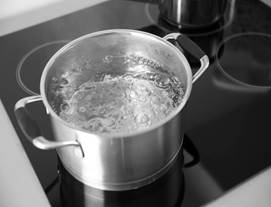
1. Boiling: heating a liquid medium, usually water, to a state where steam vapor and bubbles appear. Food is submerged in the liquid and cooked until soft
Considerations:
- water boils at a temperature of 100°C
- liquid should be boiling before food is added to it
- covering the cooking vessel with a lid can help to prevent rapid loss of water
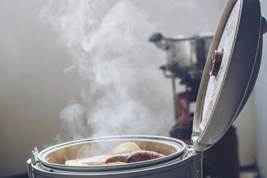
2. Steaming: the process of cooking food by means of boiling water and allowing the steam it produces to circulate around a sealed container. Steaming equipment is traditionally made out of bamboo but electrical appliances are more frequently used nowadays. Considerations:
- ensure a sufficient amount of water is in place to produce the required amount of steam
- make sure that too much steam can’t escape by keeping the container closed
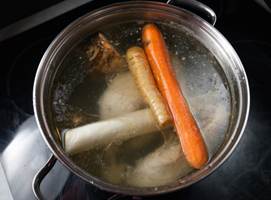
3. Simmering: heating a liquid medium, usually water, but keeping it below boiling point and creating gentle bubbles.
Considerations:
- maintain a low temperature
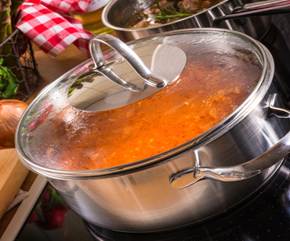
4. Stewing: the process of cooking food for a prolonged period of time at a medium heat (below boiling) with little to no addition of moisture once the process has been started. Commonly, it is a mixture of meat and vegetables but fruit can also be stewed.
Considerations:
- monitor the size of the bubbles to ensure that the liquid does not come to a boil
3.2. Dry Heat Cooking
1. Baking: cooking food in dry heat without being exposed to a direct heat source, normally using an oven.
Considerations:
- ensure the oven is pre-heated to the right temperature
- avoid opening the oven once cooking has started
- place the food at an appropriate level in the oven (i.e. not too near the bottom or the top)
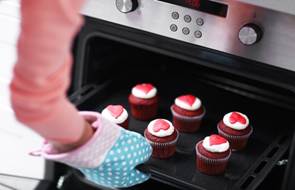
2. Dry Frying: cooking food in a pot or pan without any oil - plant, animal or synthetic fat - as a base.
Considerations:
- avoid burning the food by keeping the heat at the right temperature
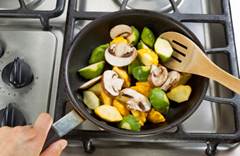
3. Shallow Frying: frying food in shallow oil in a flat bottomed pan and flipping the food item from time to time to cook both sides. Filleted fish are commonly pan or shallow fried.
Considerations:
- use a solid pan with a wide base so as to prevent it from falling over
- warm the oil before putting any food in it
- prevent oil from burning and smoking out the kitchen by ensuring that the temperature is not too high
- avoid adding liquid to hot oil as it will spit and spray and could potentially burn someone
- never leave hot oil unattended
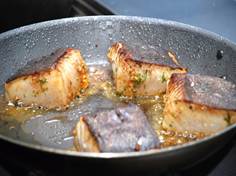
4. Deep Frying: submerging and frying food in very hot oil; normally within a deep fat fryer appliance.
Considerations:
- ensure that the oil is boiling before putting food in it (between 160 and 190°C)
- never leave hot oil unattended
- in the event of a fire catching, smother it with a lid, blanket, sand or fire extinguisher (never use water!)
- use a paper towel to get rid of any excess oil after removing the food from the oil
- let the oil cool completely before discarding
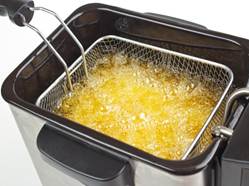
5. Grilling: cooking food using a grill. Food items are cooked using a grill, with heat coming from above or below.
Considerations:
- pre-heat the grill before placing food under it
- make sure that the food is not too greasy as excess fat may lead to fires starting
- ensure the food is an appropriate distance from the grill (too close and it will burn, too far and it won’t cook)
- always use heat-resistant, metal cookware (glass, plastic and other materials are not suited to withstand such high temperatures)
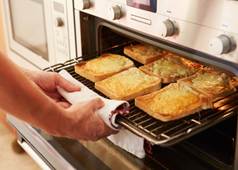
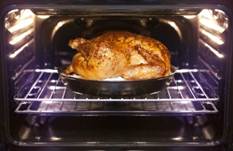
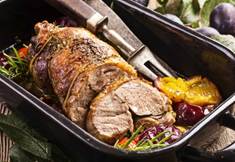
6. Roasting: a cooking process that uses dry heat to cook food, most commonly in an oven. Some foods, which are not naturally oily, require fat or oil to lock in moisture.
Considerations:
- ensure the oven is pre-heated to the right temperature
- avoid opening the oven once cooking has started
- place the food at an appropriate level in the oven (i.e. not too near the bottom or the top)
3.3. Combination Cooking
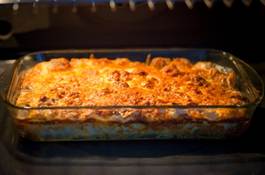
1. Casserole cooking: to cook food in a casserole dish in an oven, by simmering it in its own juices.
Considerations:
- ensure the oven is pre-heated to the right temperature
- cover the food with a lid
- avoid opening the oven once cooking has started
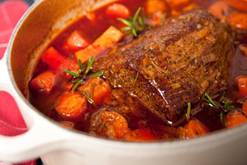
2. Pot roasting: to cook large pieces of meat or vegetables in a covered pot in an oven, by simmering and steaming it in its own juices.
Considerations:
- ensure the oven is pre-heated to the right temperature
- make sure that the food is tightly sealed in its container
3. Braising: to fry food briefly before putting it in a sealed container in an oven to roast
Considerations:
- use a small amount of oil to brown the food before placing in the oven
- ensure the oven is pre-heated to the right temperature
4. Glossary
|
Baking |
cooking food in dry heat without being exposed to a direct heat source, normally using an oven |
|
Basting |
keeping food moist during the cooking process by regularly pouring fat (or liquids) over it with a spoon |
|
Browning |
the process of making a food product slightly darker in colour, typically by applying intense, direct heat to it |
|
Deep Frying |
submerging and frying food in very hot oil; normally within a deep fat fryer appliance |
|
Dry Frying |
cooking food in a pot or pan without any oil - plant, animal or synthetic fat - as a base |
|
Grilling |
cooking food using a grill. Food items are cooked using a grill, with heat coming from above or below |
|
Melting |
a process heat is applied to food to change it from a solid state to a liquid state |
|
Roasting |
a cooking process that uses dry heat to cook food, most commonly in an oven. Some foods, which are not naturally oily, require fat or oil to lock in moisture |
|
Sautéing |
the cooking of food quickly to preserve texture and flavour - achieved by tossing food in light oil over a medium to high heat |
|
Searing |
cooking food on the outside at a high temperature to form a crust or caramelized exterior |
|
Shallow Frying |
frying food in shallow oil in a flat bottomed pan and flipping the food item from time to time to cook both sides |
|
Sweating |
the heating of food at low temperatures in a small amount of oil in order to remove moisture from it |
|
Blanching |
submerging food (usually fruit or vegetables) in boiling water for a brief moment, and after removing them from the heat, to run icy water over to halt the cooking process |
|
Boiling |
heating a liquid medium, usually water, to a state where steam vapour and bubbles appear. Food is submerged in the liquid and cooked until soft |
|
Parboiling |
using the same process as boiling, but only cooking the food items partially (+-50%) |
|
Poaching |
simmering food in a small amount of water |
|
Pressure Cooking |
cooking food in a pressurised container which prevents the loss of vapour and means that lower temperatures are needed |
|
Simmering |
heating a liquid medium, usually water, but keeping it below boiling point and creating gentle bubbles |
|
Steaming |
the process of cooking food by means of boiling water and allowing the steam it produces to circulate around a sealed container. Steaming equipment is traditionally made out of bamboo but electrical appliances are more frequently used nowadays |
|
Stewing |
the process of cooking food for a prolonged period of time at a medium heat (below boiling) with little to no addition of moisture once the process has been started. Commonly, it is a mixture of meat and vegetables but fruit can also be stewed |
|
Thickening |
allowing a liquid mixture to thicken, normally with the addition of a thickening agent like corn starch and applied heat |
|
Pot Roasting |
to cook large pieces of meat or vegetables in a covered pot in an oven, by simmering and steaming it in its own juices |
|
Casserole cooking |
to cook food in a casserole dish in an oven, by simmering it in its own juices |
|
Braising |
to fry food briefly before putting it in a sealed container in an oven to roast |
|
Bacteria |
a microorganism causing disease |
|
Thermostat |
A control or component of a cooking appliance that sets and regulates the temperature |