Cereals
| Site: | DBECloud |
| Course: | Grade 10 e-Hospitality Studies |
| Book: | Cereals |
| Printed by: | Guest user |
| Date: | Thursday, 22 October 2026, 10:54 AM |
Description
1. Introduction
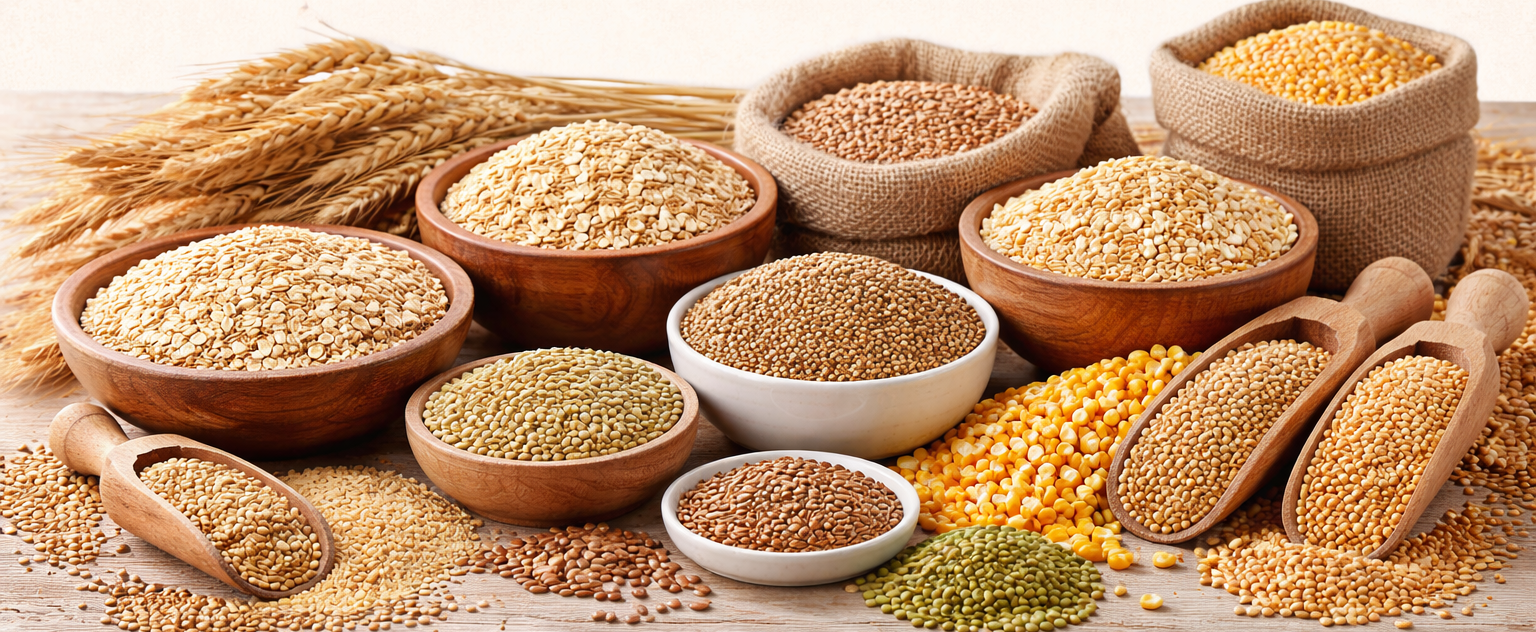
As a staple, widespread food, cereals are used throughout the world – they are grasses that have been specifically cultivated over many centuries for their edible grains. A great and relatively cheap source of energy, cereals are naturally rich in vitamins, minerals, carbohydrates, fats and oils.
Cereals are made up of bran, endosperm and germ with wholegrain cereal products (like rice, barley and sweetcorn) retaining all 3 parts of the cereal, while refined products often remove the bran, the germ or both. Cereals can come in wholegrain, crushed grain (e.g. samp), rolled seed (e.g. rolled oats) or granulated (e.g. semolina) and finely granulated seeds (e.g. flour).
2. Uses of cereals
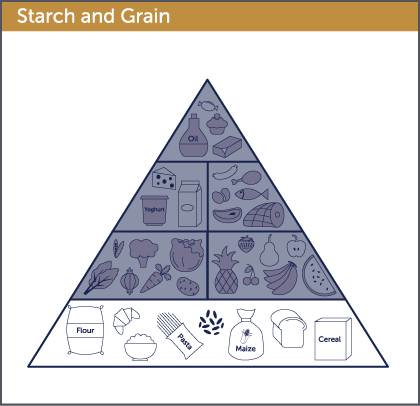
- as a refined product, used to make bread, pizza bases, cakes and biscuits
- as a wholegrain 'mielie' (corn-on-the-cob) boiled or braai-ed, or dried and used to make popcorn
- as a breakfast cereal or porridge
- as a refined and manufactured product, used as a standalone dish like couscous
3. Classification of cereals
1. Barley: Grown locally and commonly used in soups, broths and stews as a thickening agent as well as a malt product for beer and bread (malt loaf)

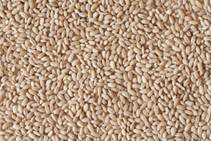
2. Corn / Maize: A staple food in South Africa, maize is turned into a number of products:
- Cornflakes: A cooked, rolled and toasted corn popular for breakfast
- Corn flour: A finely milled wholegrain flour
- Corn-on-the-cob: Popular boiled, grilled or braai-ed vegetable
- Maize meal: Used to make 'pap', a staple food in South Africa. Pap can be served for breakfast with butter, milk, sugar or honey or served with other meals as a savoury accompaniment
- Maize rice: Finely ground, low protein, low mineral, high starch rice
- Polenta: Baked or boiled, this Italian derived ground yellow corn can be served sweet or savoury. After baking, the product can be grilled or fried.
- Pop corn: A popular snack made from the corn kernel which 'pops' when cooked in hot oil
- Samp: Course, crushed corn that is cooked slowly and served as an accompaniment to other food
- Wholegrain: Immature corn kernels removed from the cob and served fresh, canned or frozen
3. Oats: Grown locally in South Africa (in cooler climate areas), rolled oats are flattened kernels with the grain removed. Used in porridges, muesli, cereals, flapjacks and biscuits
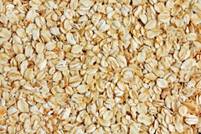
4. Rye: Used for baking of breads and savoury biscuits, this low protein (gluten), high nutrient grain produces a sour taste and when milled, produces a dark, dense flour
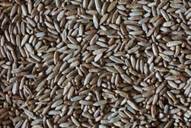
5. Sorghum: Grown locally in South Africa and used for the production of beer, cattle feed and some porridges (maltabella)
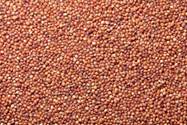
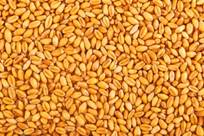
6. Wheat: Wheat is the most commonly used flour and it comes in a number of varieties. The main differentiating factor of wheat products is the amount of protein (gluten) that each contains. High levels of gluten make strong flour and produce tougher textured end products. Lower levels of gluten make softer flour which is commonly used in baking. The gluten allows bread dough to rise and keep its shape.
Flour can be refined in a number of ways….
- All purpose white flour: the most commonly used flour is a mix of soft and hard wheat, used in all baked products. Most commercially available all-purpose flours are enriched with B vitamins.
- Self-rising flour: a type of all-purpose flour that has salt and a raising agent mixed into it.
Bread flour: a common flour used for baking bread. Because of its higher gluten content, it bakes well with yeast, yielding great crusty bread products.
- Cake flour: used in cakes due to its soft and powdery characteristics from being very finely milled. It is much lower in protein than other flours.
- Pastry flour: also made from soft wheat but not as refined as cake flour. It is used for baking pastries which have a slightly thin and crispy crust.
- Whole-wheat flour: used to make heavier bread type products from whole wheat kernels that are ground and not refined like most other flours. Whole-wheat flour is the healthiest type of flour in terms of the nutritional value and dietary fiber it provides.
- Semolina: granular flour made from the hardest type of wheat (i.e. durum wheat). Semolina has the highest protein content of all flours and is often used in pasta and cous-cous.
4. Effects of heat on starch (dry and moist heat)
Cereals are prepared for consumption using two cooking methods; the moist heat and the dry heat methods.
Cereals prepared using the dry heat method become more soluble and change the flavour and colour (i.e. it caramelises), whilst also removing the cereals thickening ability. This method is great for producing breakfast cereals..
Cereals prepared using the moist heat method are added to liquid and heated to +/- 65°C, resulting in thickening and ultimately gelatinisation.
Different cereals react differently to each other, some absorbing more water than others, some requiring a different temperature in order for gelatinisation to take place. Over stirring the puffed-up grains too much will ultimately thin the mixture.
Characteristics of good cereals
- - Cereal should look appealing, especially when served unrefined
- - Cereals should be defect and blemish free
- - They should be a good colour and flavour
- - They should be stored correctly to ensure that they remain a good source of minerals and vitamins, protein and fibre