Pasta and Classic Pasta Sauce
| Site: | DBECloud |
| Course: | Grade 10 e-Hospitality Studies |
| Book: | Pasta and Classic Pasta Sauce |
| Printed by: | Guest user |
| Date: | Thursday, 22 October 2026, 11:41 AM |
Description
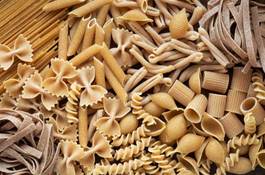
Pasta hails from Italy - it is a staple dish for the Italians, but commonly prepared and served across the world. Pasta is made from dough that does not include a raising agent. Instead, wheat flour is simply mixed with water and/or eggs, before being cast into sheets or recognizable shapes. Pasta is often served with a sauce or combined with other food, like meat and vegetables.
1. Classic Pasta Sauces
There are many different types of traditional pasta sauces.
Alfredo is a classic pasta sauce which comprises cream, cheese (usually parmesan) and butter. Bolognaise, another common type of pasta sauce, is prepared using minced beef mixed with a tomato base. Carbonara, on the other hand, includes bits of bacon combined with cream, eggs, parmesan cheese and garlic, while the Marinara sauce is predominantly made from tomatoes, onions and herbs and may include additional food items such as meat or vegetables. Another common sauce, made from fresh basil leaves, parmesan cheese, pine nuts and garlic paste, is known as Pesto sauce.
2. Uses of Pasta
- - Pasta is mostly served as a main dish – usually with a traditional sauce on top, or oven-baked like a casserole
- - Some types of pasta can also be served as a starter – usually in much smaller portions
- - Pasta salads are also very common and can be eaten as a meal in itself, or as an accompaniment to a main meal
-
- Some forms of pasta (like Chinese or Indian Vermicelli) can also be used as a garnish, or ingredient in other dishes
3. Classification of Pasta
1. 1. Fresh or Dried Pasta
Fresh pasta is made by hand and is soft in texture. It must be frozen or consumed within 3 days to avoid spoiling. Fresh pasta usually cooks within 3 minutes.
Dried pasta, on the other hand, is commercially produced and is firm in texture. It can be stored for a relatively long period of time. Dried pasta takes around 3 times longer to cook than fresh pasta (and is sometimes served “al dente” which describes a slightly less cooked, firmer texture).
2. 2. Coloured Pasta
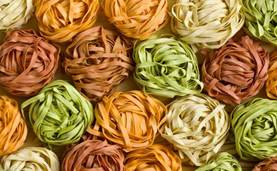
While most pasta is pale yellow in colour, or brown if made using whole-wheat, other ingredients (like spinach or beetroot) can be added, changing the pasta to a green or red colour.
3. 3.Shapes
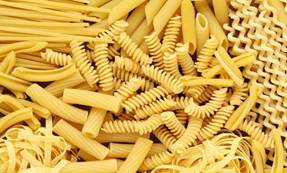
Pasta comes in many different shapes - from long and thin (e.g. vermicelli, spaghetti, tagliatelle and fettuccini) to broad and flat (e.g. lasagne), or short and curly (e.g. fusilli) to tube shaped (e.g. macaroni, penne) and even pillow shaped (e.g. ravioli). In most cases, the type of pasta used depends on the type of sauce that it will be served with.