Salads and Dressing
| Site: | DBECloud |
| Course: | Grade 10 e-Hospitality Studies |
| Book: | Salads and Dressing |
| Printed by: | Guest user |
| Date: | Thursday, 22 October 2026, 10:55 AM |
Description
A salad can be described as a mixture of raw or cooked vegetables, sometimes served with a dressing for added flavour. Most of the time, the base ingredient is lettuce but many chefs have created their own versions of salads which substitute in other commodities (like pasta or quinoa).
1. Types of Salad Dressings
There are two main types of salad dressings, namely cooked and uncooked. Uncooked dressings include both vinaigrette (comprised of a basic oil and vinegar mix, at a ratio of 3:1) and mayonnaise (a mixture of raw egg yolks and oil). Cooked dressings, on the other hand, constitute the same base as mayonnaise (slightly less oil) and are, by definition, cooked rather than raw.
2. Uses of Salads
- - Because they are quite light in nature, salads make excellent appetizers, especially when served with a rich and tangy dressing
- - Salads can also be served as their own meal, provided they include more substantial ingredients like meat or cheese
- - Salads can play the same role as vegetables in being served as an accompaniment to a main dish
3. Classification of Salads
1. 1. Uncooked salads
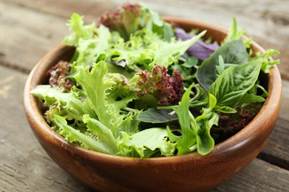
Fresh salads make use of ingredients that are not cooked. In its simplest form, the green salad (otherwise known as a French salad) is a mix of raw, green vegetables – like lettuce, cucumber and herbs. In instances where other ingredients – like tomatoes, onions, carrots and red peppers - are added, the salad becomes known as a mixed salad. Other types of salads include the Greek salad (with onions, olives and feta cheese), the Caesar salad (with Caesar salad dressing and croutons), the Nicoise salad (with tuna, hard-boiled egg, olives and anchovies) and the Waldorf salad (with apples, celery, grapes, walnuts and mayonnaise).
2. 2. Cooked salads
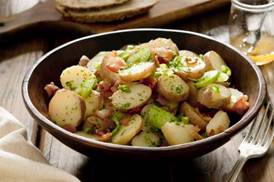
Many salads substitute lettuce and other raw greens for cooked starches (like pasta, potatoes or rice). After the main starch ingredient has been cooked, it is left to cool down before adding other salad ingredients (like tomatoes and so on). Most cooked salads are served with a dressing for extra flavour and richness.
3. 3. Moulded salads
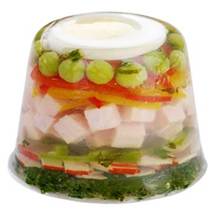
Moulded salads are salads that are prepared by mixing meats, fruits, vegetables and/or creamy cheeses before setting them in gelatin. They take the shape of the bowl in which they are set, usually resulting in a pretty formation. Moulded salads are also known as jello salads, gelatin salads or congealed salads.