Paying the Bill
| Site: | DBECloud |
| Course: | Grade 10 e-Hospitality Studies |
| Book: | Paying the Bill |
| Printed by: | Guest user |
| Date: | Thursday, 22 October 2026, 10:54 AM |
Description
Paying the bill is the process of providing compensation for services received. It takes place between an establishment and a guest, and can be facilitated electronically or manually. Bills are most commonly generated with the help of an electronic point of sales system, which keeps track of orders, calculates amounts owed and accounts for VAT and/or discounts. Once a transaction has been facilitated, these systems track the payment methods and generate receipts for the guests.
1. Rules for serving the bill
- - The bill is always served after the final services have been offered.
- - The bill should be presented to the guest before the guest makes more than one request for it.
- - The bill should indicate, by means of a list, what was ordered by the guests, and in what quantity.
- - The bill is always equivalent to the service provided. The total amount specified on the bill should be the sum of all the meals that were ordered, as presented on the menu.
2. The Cashier
The cashier in a restaurant is often the maitre-d’hotel or receptionist, but can sometimes be the waiter as well. The cashier’s role is to process the total amount of each bill to be paid, facilitate a variety of payment methods (whether electronic or manual), handle complications that may arise (such as guest complaints or declined credit cards), and assume responsibility for any cash that is collected. With such an important job, it is critical that cashiers receive the appropriate training.
3. Methods of Payment
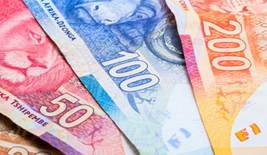
1. Cash
Cash is a commonly accepted method of payment. It is a simple approach that is used in many organizations and does not involve complex systems or specially trained staff. The only knowledge required, when using this method, is the ability to calculate the amount owed. If the amount handed over by the guest exceeds the charge on the bill, the surplus is given back to the guest in the form of change.
2. Cheque
Bank cheques are written documents instructing a bank to debit a payee’s account by a specified amount so that the same amount can be passed on to the service provider. Although bank cheques are not very common these days, they can be useful when a payee does not have cash to hand. The cheque method is generally only accepted for recognizable banking institutes, and when information presented on the cheque (such as date and name of the payee) is accurate. Additionally, the guest must sign the cheque before issuing it to be cashed.

3. Credit, Debit and Charge Cards
Credit card, charge cards and debit cards are examples of electronic payment forms. Credit cards – issued by the likes of VISA and Mastercard - have magnetic strips containing information about the payee (i.e. the account holder’s details and a specified spending limit that must be paid back within a certain period of time). While similar to credit cards, charge cards don’t often impose a spending limit, but do enforce high fees if expenses are not repaid within a certain time period. Debit cards, on the other hand, are issued by banking institutes and require that the account holder has sufficient funds in their bank account in order to process a payment.

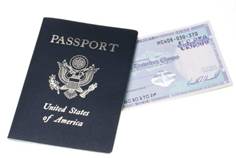
4. Traveler’s cheques
Because of the safety they provide in terms of not having to carry around a lot of cash or to avoid having to pay heavy fees associated with international card payments, travelers’ cheques are commonly used by tourists in foreign countries as a method of payment. When using travelers’ cheques, identification, which is made by presenting a passport, is critical, and just like with normal cheques, a valid signature is required to authenticate it further.
5. Voucher
Vouchers are used by organisations to promote products amongst its esteemed customers. Vouchers are broadly grouped into two types - the discount voucher and the gift voucher. The discount voucher aims at promoting sales within an establishment by offering a special price on certain products and services that it offers. The gift voucher however, contains the name of the establishment and the amount to be used for the purchase of products in that particular restaurant, irrespective of which product and how much else a customer is spending. In both instances, the vouchers must be presented to the establishment in order for the voucher bearer to claim their discount or gift.