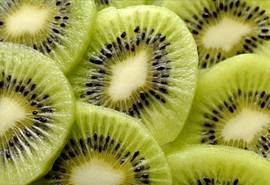
Fruits
Fruits
3. Classification of Fruit
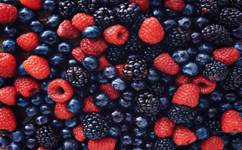
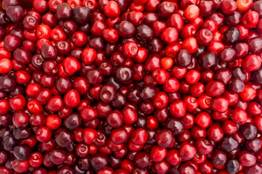
1. Soft: small, soft fruit which does not have any noticeable seeds, pips or stones. Soft fruit has a short shelf-life and can be easily damaged in transport.
Example: Berries, strawberries
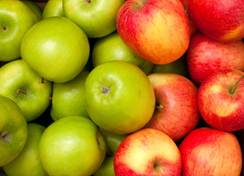
2. Hard: medium sized fruit that is slightly more resilient to transporting than soft fruit, due to its slightly tougher exterior. Shelf-life is comparatively longer.
Example: apples, pears
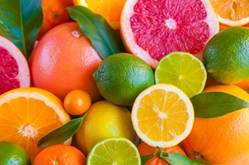
3. Citrus: a variety of fruits that share common characteristics, such as a tough outer skin and segmented juicy flesh.
Example: oranges, lemons, grape-fruit, limes
4. Stone: fruit which is characterized by a fleshy outer part enclosing a hard stone.
Example: cherry, plum, peach
5. Tropical: fruit that is known to grow in tropical regions
Example: guava, mango, papaya, watermelon