
The Principles of Menu Planning for Breakfast and Brunches
The Principles of Menu Planning for Breakfast and Brunches
The principle of menu planning centres on providing necessary nutrition through different arrays of dishes. Planning menus for breakfasts and brunches is no different where things like the customers, the availability of food and the resources at the establishment’s disposal must all be considered. Furthermore, breakfast menu planning has to consider different food varieties with respect to the cultural and religious background of guests, while consideration regarding the texture and colour of dishes also plays a critical role.
2. Menu planning for Breakfasts, Brunches and Light Meals
1. Continental Breakfast
Continental breakfasts can be light and include pastries (like croissants or muffins), cereals, yoghurt and fruits (such as oranges, strawberries, grapefruit and melons). They can also be hot and include more savory items like eggs and an assortment of processed meats, potatoes and grits. Some continental breakfasts may offer waffles. Drinks served range from hot water, or coffee, to milk and fresh fruit juices.

2. English Breakfast
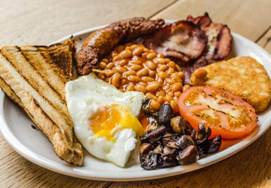
English breakfasts – often referred to as “fry-ups” – are typically hot meals with the most common components being eggs (fried, scrambled, boiled or poached), bacon, and toast or fried bread. Other items, such as sautéed mushrooms, fresh or grilled tomatoes, baked beans, black pudding and fried or baked kidneys, can be included at the establishment’s or guest’s discretion. Hot drinks, like coffee or tea, are most commonly provided in accompaniment.
3. Brunches:
Brunch is a combination of breakfast and lunch. It is often served late in the morning or afternoon or on Sundays when people wake up later than usual. It could be a light or rich dish. To plan brunches, it is important to know the number of guests that will be served. Like other meals, brunch should consist of a variety of food groups from meats and eggs to grains, fruits and vegetables. It is also good to have an idea of the guests’ taste preferences. For example, finding out if the guests are vegetarians will determine whether meat should or shouldn’t be served.

4. Light meals
Light meals are used to describe lunch which is eaten at midday and is usually heavier than the meal served for breakfast. It majorly comprises of a protein dish which is followed by a dessert. Light meals usually consist of foods like meat, beans and eggs but should also be served with vegetables and fruits.