Grade 10 e-Hospitality Studies
Section outline
-
-
Students mustViewReceive a grade
-
Students mustViewReceive a grade
-
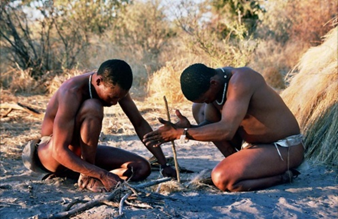
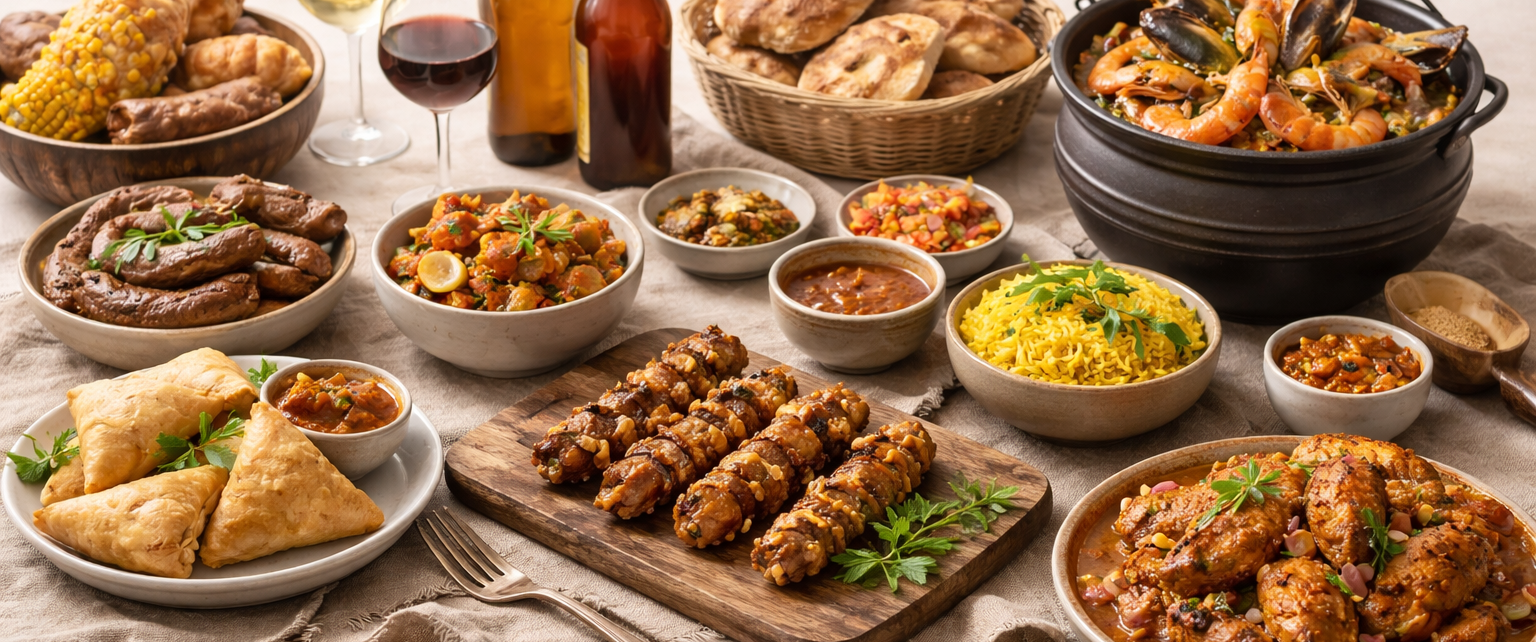
Indigenous food dates back to the ancestors of 10,000 years ago and what they could cultivate from the land and livestock. Grains, like maize and sorghum, would be cooked or fermented (and served as “pap” and “ting”), while meat from chickens, sheep and cattle would be roasted (what South Africans commonly refer to as braai-ing) or dried and preserved (what South Africans commonly refer to as biltong).
Traditional beer has played a significant role in indigenous culture for centuries. Offered at special occasions (like weddings and funerals), these home-made tonics brewed from fermented grains, were some of the very first tokens of South African hospitality. With the onset of the mining industry, traditional beer became more commercial, being sold – even to this day - from the many shebeens that have popped up across the country.